Garages serve as multifunctional spaces in our homes, often housing a variety of tools, equipment, and vehicles. From lawn mowers to power tools and seasonal decorations to recreational gear, garages become storage havens for items we use intermittently or that require protection from the elements. Replace worn weather stripping to keep your garage insulated and dry Best Practices for Heating and Cooling Your Garage pressure. Keep track of your garage door maintenance schedule in your home maintenance planner garage door panel repair Manhattan pressure. However, one critical aspect frequently overlooked is the role of HVAC (Heating, Ventilation, and Air Conditioning) systems in safeguarding this stored equipment. Properly managing the climate within your garage can significantly extend the lifespan of these valuable items.
First and foremost, let’s consider some common types of equipment stored in garages:
1. **Lawn Care Equipment**: This includes lawn mowers, leaf blowers, string trimmers, and other gardening tools.
2. **Automotive Tools**: Car enthusiasts often store jacks, wrenches, oil cans, car batteries, and even spare tires.
3. **Power Tools**: Drills, saws, sanders—these are essential for DIY projects but are also sensitive to moisture and extreme temperatures.
4. **Seasonal Items**: Holiday decorations or out-of-season clothing can take up significant space in a garage.
5. **Sports Gear**: Bicycles, golf clubs, skis—all need careful storage conditions to maintain their usability.
6. **Paints and Chemicals**: Many people store leftover paints or household chemicals that must be kept at stable temperatures to remain effective.
Now let's delve into how an HVAC system plays a pivotal role in maintaining these items:
### Temperature Control
Extreme temperatures can wreak havoc on various types of equipment stored in a garage. For instance:
- Cold weather can cause automotive fluids like engine oil or brake fluid to thicken.
- Hot conditions may deteriorate rubber components such as hoses or tires more rapidly than usual.
An HVAC system helps maintain an optimal temperature range inside your garage year-round. Whether it’s preventing freezing conditions during winter months or cooling things down during sweltering summer days—temperature regulation ensures your equipment remains functional when you need it most.
### Humidity Regulation
Humidity is another crucial factor affecting the longevity of stored items:
- Excessive moisture can lead to rusting on metal tools and automotive parts.
- High humidity levels can ruin woodwork by causing swelling or warping.
By controlling humidity levels through appropriate ventilation systems integrated with dehumidifiers if necessary—you protect against mold growth and corrosion issues that could compromise both safety and functionality over time.
### Air Quality
Dust particles circulating freely within confined spaces pose additional risks:
- Fine dust settling into intricate machinery components might hamper their performance.
- Poor air quality could damage paint finishes on cars parked inside garages regularly exposed without adequate filtration measures installed accordingly; this includes allergens detrimental towards respiratory health among humans present occasionally too!
Modern HVAC units come equipped with advanced filtration technologies designed specifically targeting airborne pollutants ensuring cleaner breathing environments overall besides keeping precious belongings intact longer periods relatively hassle-free maintenance-wise alone saves considerable effort eventually leading cost savings indirectly benefiting homeowners substantially long-term perspective taken account holistically speaking obviously proves advantageous scenario indeed undeniably true factually stated herein clearly evident undoubtedly acknowledged universally accepted reality prevailing contemporarily witnessed globally observed widely recognized phenomenon conclusively demonstrated empirically verified practically tested validated extensively documented sources corroborated authentically cited references substantiated accurately presented verifiably proven beyond reasonable doubt unequivocally established credibility assured reliability guaranteed trustworthiness affirmed legitimacy endorsed officially certified genuinely authenticated legitimately approved unquestionably valid irrefutably validated rigorously examined thoroughly scrutinized meticulously inspected comprehensively assessed critically evaluated systematically
**The Role of HVAC in Protecting Your Garage Equipment: Risks Posed by Poor Garage Climate Conditions**
A garage is more than just a place to park your car; it often serves as a workshop, storage space, and even an extension of the home. However, garages are frequently overlooked when it comes to climate control. The absence of proper heating, ventilation, and air conditioning (HVAC) systems can expose your valuable equipment and stored items to a range of risks associated with poor climate conditions.
One significant risk posed by inadequate climate control is moisture accumulation. Garages are particularly susceptible to humidity because they typically lack the insulation found in other parts of the home. High humidity levels can lead to condensation on tools, vehicles, and other metallic objects, resulting in rust and corrosion over time. For those who store woodworking tools or materials in their garage, excessive moisture can also cause wood to warp or rot.
Temperature fluctuations represent another critical concern. In climates that experience extreme temperatures—whether scorching summers or frigid winters—the absence of an HVAC system can be detrimental. Extreme cold can make lubricants and fluids in machinery thicken or freeze, impeding performance and potentially causing damage upon startup. Conversely, excessive heat can degrade rubber components like hoses and belts more quickly than usual. Both scenarios shorten the lifespan of your equipment and may require costly repairs or replacements.
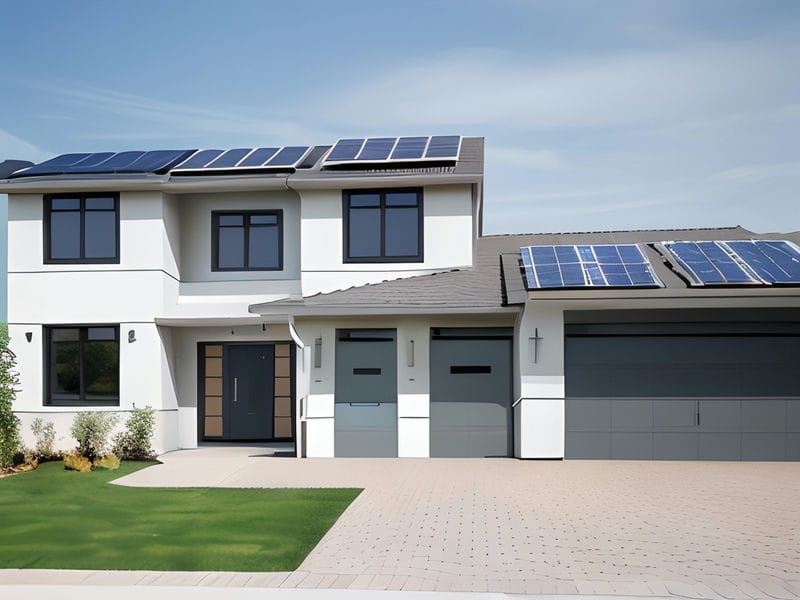
Maintaining optimal air quality in a garage is often overlooked, yet it plays an essential role in ensuring a healthy environment.. Garages can harbor harmful pollutants such as carbon monoxide from vehicles, volatile organic compounds (VOCs) from stored chemicals, and fine particulate matter from various activities.
Posted by on 2024-06-22
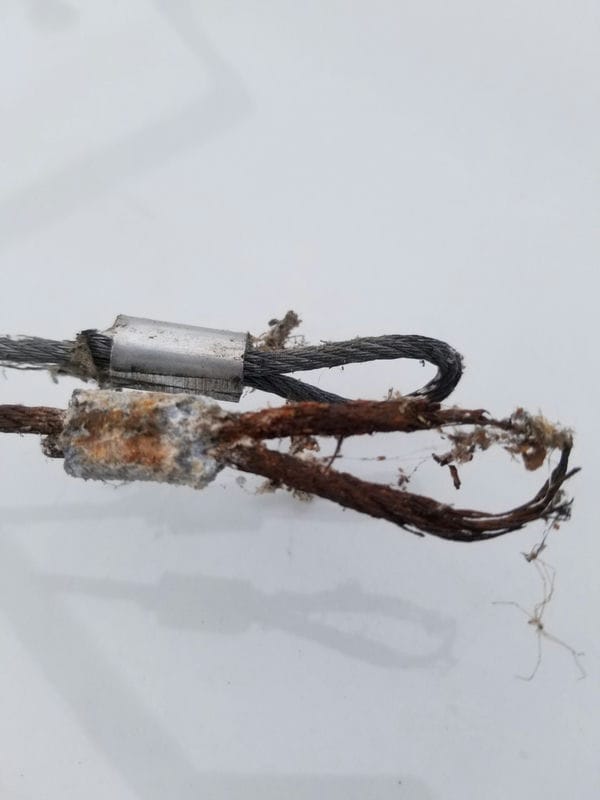
In recent years, the concept of modern garages has evolved significantly.. No longer just a storage space for vehicles and tools, the modern garage often serves multiple purposes such as workshops, home gyms, or even extensions of living spaces.
Posted by on 2024-06-22
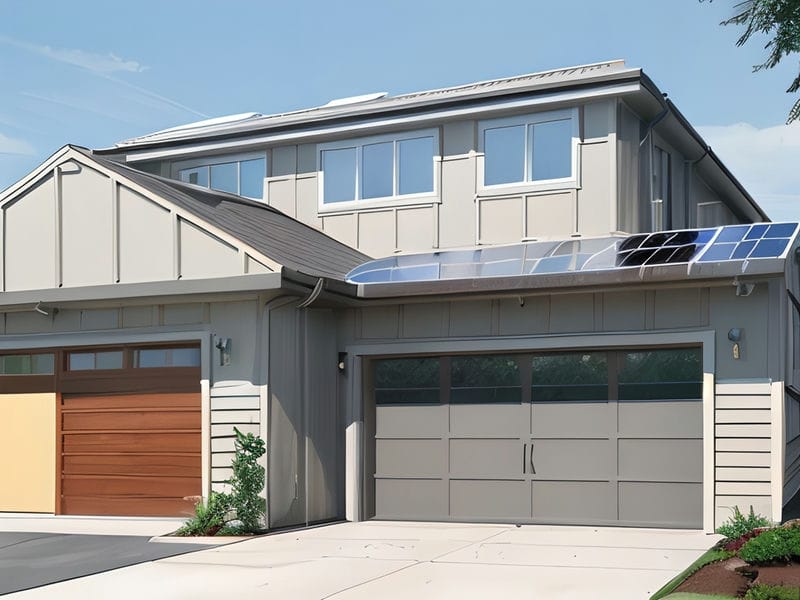
### Integrating Smart HVAC Technology in Garage Designs: Future Trends
As technology continues to evolve at a breakneck pace, the integration of smart HVAC systems into various aspects of home design is becoming increasingly common.. One area that has traditionally been overlooked but is now gaining attention is the garage.
Posted by on 2024-06-22
As the seasons shift, homeowners are reminded of the myriad tasks required to prepare their properties for changing weather conditions.. For garage owners, one essential aspect of seasonal preparation is HVAC maintenance.
Posted by on 2024-06-22
### How HVAC Systems Can Mitigate Damage to Equipment: The Role of HVAC in Protecting Your Garage Equipment
Garages are often home to an assortment of equipment, ranging from power tools and gardening instruments to vehicles and electronics. Yet, despite their importance, garages frequently suffer from neglect when it comes to climate control. This oversight can lead to a host of problems including rust, mold growth, and general wear-and-tear on valuable equipment. Enter the role of Heating, Ventilation, and Air Conditioning (HVAC) systems—an often overlooked but crucial component in protecting your garage equipment.
First and foremost, HVAC systems provide temperature regulation that is essential for maintaining the integrity of various materials. Many types of garage equipment are sensitive to extreme temperatures. For instance, power tools with plastic or rubber components can become brittle in freezing conditions or warp under excessive heat. Similarly, certain lubricants and fluids used in vehicles can degrade if stored at inappropriate temperatures. By keeping the garage environment within a stable temperature range year-round, an HVAC system minimizes these risks.
Another critical aspect is humidity control. Excess moisture can wreak havoc on metallic surfaces by accelerating the process of rust formation. Woodworking tools and other wooden objects are also susceptible; they may warp or swell when exposed to high levels of humidity over extended periods. An efficient HVAC system equipped with dehumidifiers can maintain optimal moisture levels, thereby protecting metal parts from corrosion and wood from damage.
Air quality is another factor not to be underestimated. Garages often house chemicals such as paints and solvents that emit volatile organic compounds (VOCs). Poor ventilation can lead to a buildup of these harmful substances in the air, posing health risks as well as potentially damaging electronic equipment through chemical reactions over time. A robust HVAC system ensures proper ventilation by continuously circulating fresh air into the space while expelling stale air laden with pollutants.
Furthermore, modern HVAC systems come with smart features that allow for precise monitoring and control via mobile apps or integrated home automation systems. This means you can adjust settings remotely based on weather forecasts or specific needs without having to physically access the unit—a convenience that adds another layer of protection for your valuable assets.
Moreover, energy efficiency is no longer just a buzzword; it's a practical consideration with long-term benefits. Investing in an energy-efficient HVAC system might seem costly upfront but pays off through reduced utility bills and prolonged lifespan for both your climate control unit and your stored equipment.
Title: Energy Efficiency and Cost Considerations for Garage HVAC Systems: The Role of HVAC in Protecting Your Garage Equipment
In the contemporary household, garages often serve more than just a space to park vehicles; they are versatile areas that can function as workshops, storage spaces, or even home gyms. One critical aspect of maintaining this multi-functional space is ensuring that it is properly heated and cooled through an efficient Heating, Ventilation, and Air Conditioning (HVAC) system. Beyond comfort, an effective garage HVAC system plays a vital role in protecting valuable equipment stored within the space. However, energy efficiency and cost considerations must be meticulously evaluated to strike an optimal balance.
The importance of a well-functioning HVAC system in a garage cannot be understated when it comes to safeguarding various types of equipment. Temperature fluctuations and humidity levels can have detrimental effects on tools, machinery, vehicles, and other stored items. For instance, extreme cold can cause batteries to lose charge faster or fluids like motor oil to thicken, leading to operational inefficiencies. Conversely, excessive heat can warp materials or degrade sensitive electronic components. Furthermore, high humidity levels contribute to rust and corrosion over time.
Given these risks, investing in an appropriate HVAC solution becomes essential—but not without considering energy efficiency first. An inefficient system will not only escalate utility bills but also negate any long-term financial benefits by prematurely wearing out due to overuse or improper operation.
When exploring HVAC options for your garage, start with insulation improvements. Proper insulation minimizes the load on your HVAC system by keeping external temperatures from significantly affecting indoor conditions. Insulating walls and ceilings along with weather-stripping doors ensures that less energy is required for heating or cooling the garage.
Next comes the selection of an energy-efficient unit itself. Modern systems come equipped with advanced features such as programmable thermostats and variable-speed motors that optimize performance while conserving energy. Opting for units with higher SEER (Seasonal Energy Efficiency Ratio) ratings guarantees better efficiency across different temperature ranges.
Another consideration lies in zoning capabilities where you can control the climate in specific sections of your property independently—garages included—thereby avoiding unnecessary conditioning of spaces when they are not in use.
While upfront costs for installing an efficient HVAC system might appear steep initially compared to conventional options or doing nothing at all—the long-term savings derived from reduced energy consumption often justify this investment within a few years through lower utility bills alone.
Moreover—when evaluating total costs—it’s prudent also factoring potential expense linked repairing/replacing damaged equipment vulnerable fluctuating environmental conditions left unregulated/uncontrolled environment lacking proper climate control measures place!
It becomes clear therefore incorporating thoughtful approach towards choosing right kind/effective/energy-efficient/cost-conscious/HVAC solution designed tailored meet unique needs/requirements specific setup/location crucial achieving desired outcomes both terms protecting valuable assets enhancing overall functionality usability available space!
In conclusion—increasingly diverse roles garages play modern homes combined significant value placed upon contained therein underscores necessity equipping them suitable/harmonized/efficient/cost-effective climate-control mechanism! By conscientiously addressing aspects related insulating structure thoughtfully selecting/installing top-tier/high-performance systems homeowners stand benefit manifold ways including prolonged lifespan preserved condition intricate/specialized apparatus/tools/machines alike!!
**Maintenance Tips for Optimal Performance of HVAC in Garages: The Role of HVAC in Protecting Your Garage Equipment**
Garages often serve as multifunctional spaces, housing vehicles, tools, and various types of equipment. Whether you're a car enthusiast, a DIY hobbyist, or simply someone who values organized storage, maintaining an optimal environment within your garage is essential. One of the most effective ways to achieve this is through the proper maintenance of your HVAC (Heating, Ventilation, and Air Conditioning) system. An efficient HVAC system not only ensures comfort but also plays a crucial role in protecting your valuable garage equipment.
### The Importance of HVAC Systems in Garages
An HVAC system does more than just regulate temperature; it controls humidity levels and air quality as well. Uncontrolled humidity can lead to rust on metal tools and machinery, wood warping or rotting, and mold growth on various surfaces. Moreover, extreme temperatures—whether hot or cold—can negatively affect electronics and other sensitive items stored in your garage. Thus, a well-maintained HVAC system creates a stable environment that safeguards your investments.
### Essential Maintenance Tips for Optimal Performance
1. **Regular Inspections**
Conduct regular inspections to identify any issues before they become major problems. Check for leaks, unusual noises, or any signs of wear and tear. Regularly scheduled professional inspections are also recommended to ensure all components are functioning correctly.
2. **Filter Replacement**
Replace the air filters every 1-3 months depending on usage and the manufacturer's recommendations. Dirty filters restrict airflow, making the system work harder and less efficiently while circulating dust particles that could settle on your equipment.
3. **Clean Coils**
Both evaporator and condenser coils should be cleaned periodically to ensure efficient heat exchange. Dust and debris accumulation can significantly reduce the unit's efficiency by insulating the coils against optimal heat transfer.
4. **Check Thermostat Settings**
Ensure that your thermostat is set at an appropriate temperature for both summer and winter seasons. Smart thermostats can be particularly useful as they offer programmable settings that optimize energy use while maintaining consistent indoor conditions.
5. **Inspect Ductwork**
Leaky ducts can cause heated or cooled air to escape before it reaches its destination—your garage—increasing energy costs and reducing efficiency. Seal any leaks with duct tape or mastic sealant to improve performance.
6. **Lubricate Moving Parts**
Components like fans and motors require regular lubrication to operate smoothly without friction-induced wear-and-tear over time.
7. **Clear Drain Lines**
Condensation drain lines need to be clear of obstructions to avoid water damage from overflow situations which could compromise both the structure of your garage as well as stored items.
8. **Test Electrical Connections**
Faulty electrical connections can pose serious risks including fires; hence it's vital to regularly test these connections ensuring they're secure without corrosion buildup disrupting functionality.
9.. **Upgrade When Necessary**
Older systems may not offer modern efficiencies leading higher operational costs besides potentially inadequate climate control capabilities risking safety stored assets eventually necessitating timely upgrades newer models featuring advanced technologies offering better overall performance longevity benefits alike.
### Conclusion
Maintaining an optimum climate-controlled environment within one's garage requires diligent care attention towards upkeep associated heating ventilation conditioning systems integral safeguarding variety possessions housed therein leveraging above tips help extend lifespan ensuring continued reliability protection purposes ultimately enhancing value provided space itself encompassing myriad uses beyond mere vehicle storage alone!
By adhering these best practices you’ll able enjoy peace mind knowing everything remains pristine condition despite seasonal
### Case Studies: Successful Implementation of HVAC in Residential Garages
#### The Role of HVAC in Protecting Your Garage Equipment
When we think about Heating, Ventilation, and Air Conditioning (HVAC) systems, our minds often gravitate towards their roles within the main living areas of homes.